
MQ1
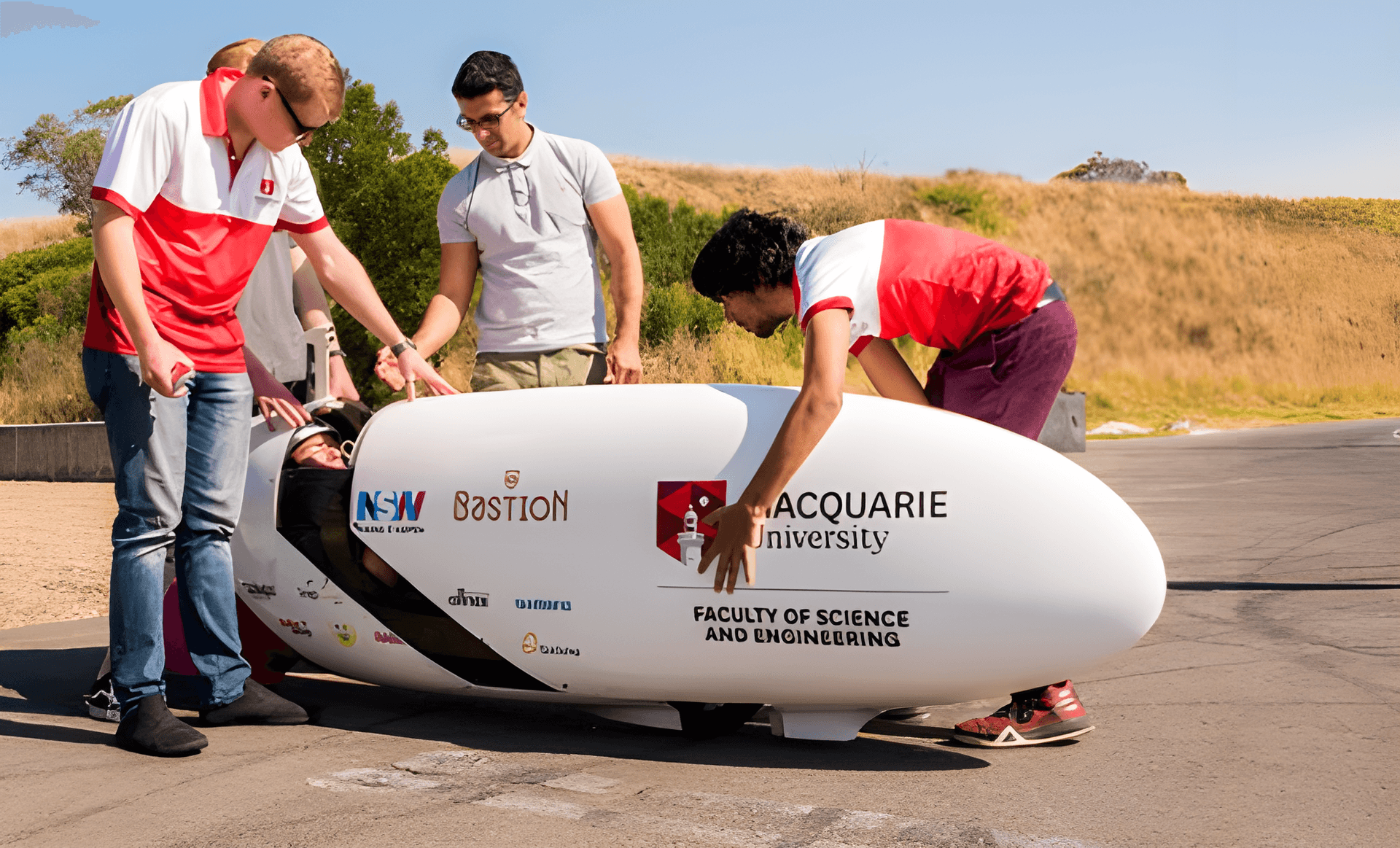
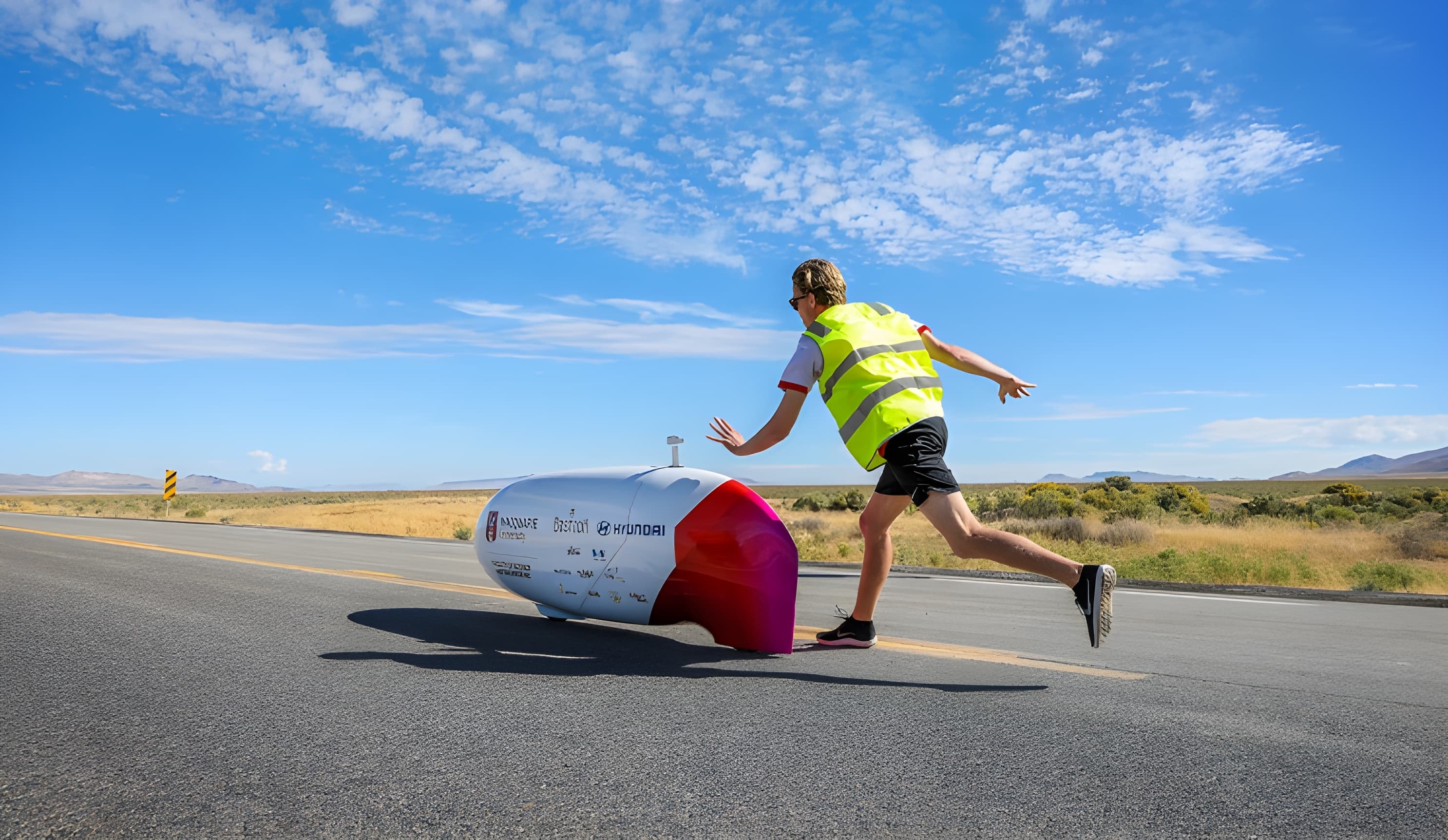
MQ1 represents our first bike in Human Powered Vehicle (HPV). The bike features a robust frame design and optimized aerodynamics that proved the viability of our engineering approach.
Technical Highlights
First Attempt at Battle Mountain
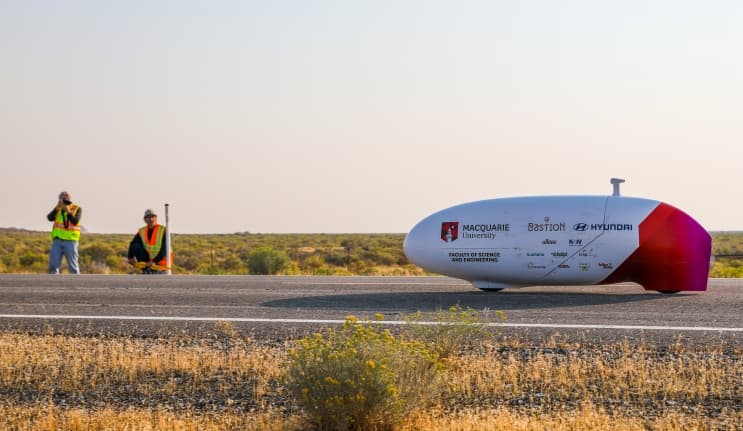
MQ1 represents the team's first attempt at breaking records in Battle Mountain. Despite being our inaugural design, the MQ1 achieved an impressive top speed of 88.5 km/h, showcasing the effectiveness of our engineering approach and laying a strong foundation for future developments.
This initial success provided invaluable insights and experience, fueling our passion and commitment to push the boundaries of human-powered vehicle performance.
First Iteration of Camera System
Since the rider is encased in a aerodynamic capsule, traditional windows would compromise airflow and speed. Our camera system provides external vision through multiple cameras mounted on the bike exterior, allowing the rider to see the road and surroundings in real-time.
This solution maintains perfect aerodynamics while giving the rider complete situational awareness. Video feeds are processed and displayed inside the bike

Wind Tunnel & CFD Optimization
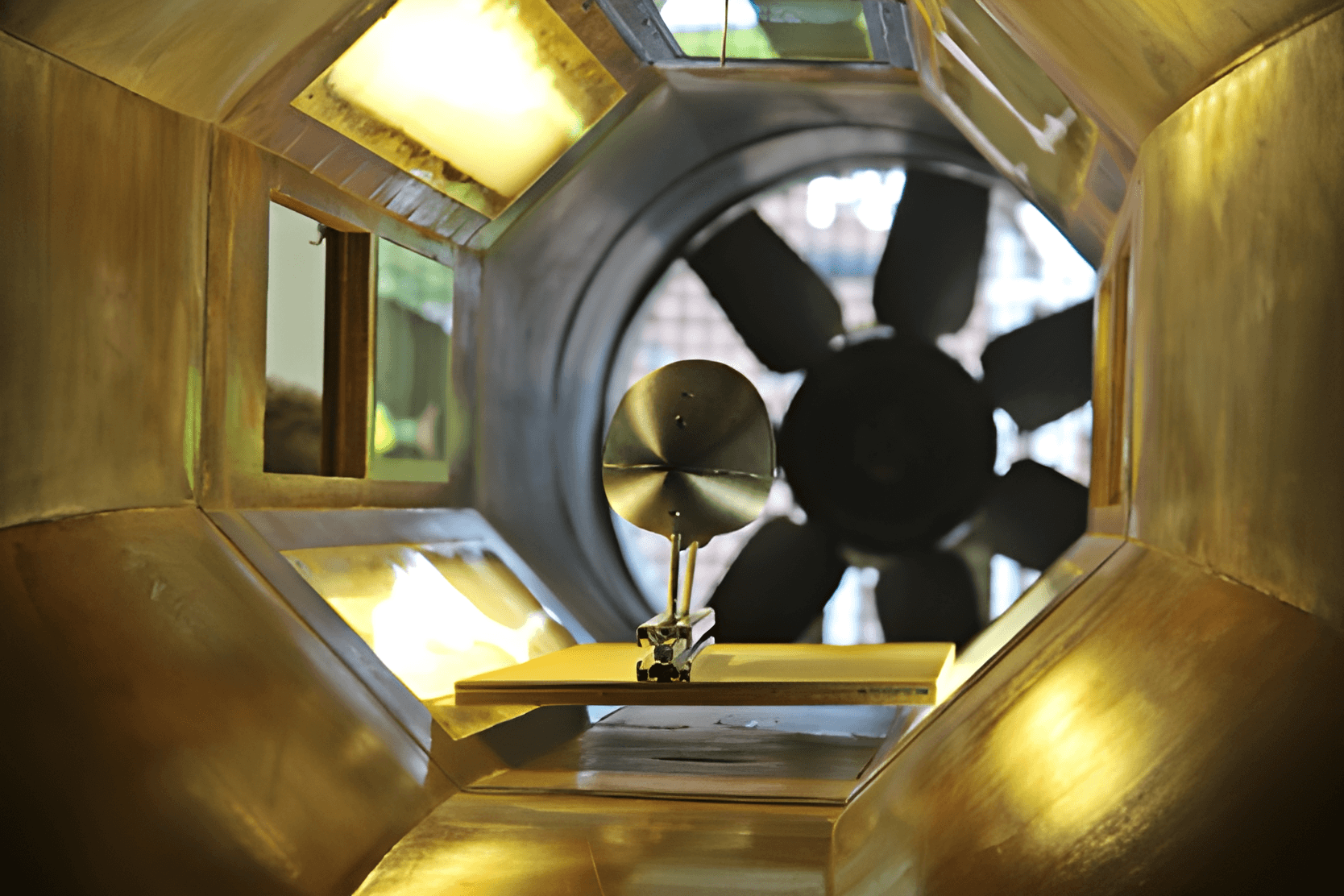
MQ1 aerodynamics were refined through rigorous computational fluid dynamics (CFD) simulation combined with physical wind tunnel testing. This dual-approach methodology allowed us to predict performance, validate designs, and iteratively improve the coefficient of drag without the cost of multiple physical prototypes.
The enclosed recumbent design eliminates turbulent airflow around the rider, while strategically placed vents ensure optimal cooling without compromising the aerodynamic profile.
Advanced Materials & Impact Protection
MQ1 chassis combines a lightweight carbon fiber frame with a fiberglass shroud, creating an aerodynamic enclosure that protects the rider while minimizing weight. Strategic Kevlar buffer regions are integrated into high-impact zones, providing crucial energy absorption without compromising the streamlined profile.
This multi-material approach represents a careful balance between performance, safety, and manufacturing feasibility. Each material was selected for its specific properties, resulting in a chassis that is both incredibly light and durable.